
What Is Stretch Mark Treatment?
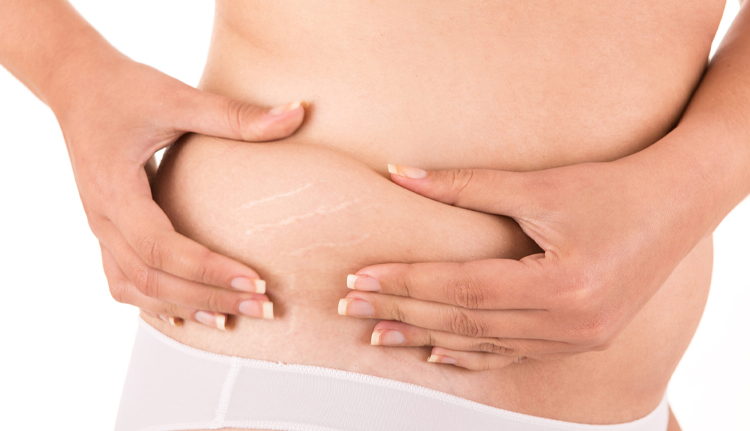
Stretch mark treatment refers to procedures aimed at reducing the appearance of striae. The skin consists of three layers: hypodermis, dermis and epidermis. Collagen and elastin fibers located in the dermis are responsible for the skin’s elasticity and structural integrity. When these fibers are disrupted, visible stretch marks may form over time. Stretch marks can occur in both men and women. In women, they most commonly appear during pregnancy; in men, they are often related to weight training, rapid weight changes or hormonal factors.
Why Do Stretch Marks Occur?
- Stretch marks may develop due to several reasons:
- Pregnancy-related skin stretching
- Hormonal changes during adolescence
- Rapid weight gain or weight loss
- Intense resistance training
- Obesity
- Sensitive skin structure
- Genetic predisposition
- Long-term use of certain medications
- Insufficient skin hydration
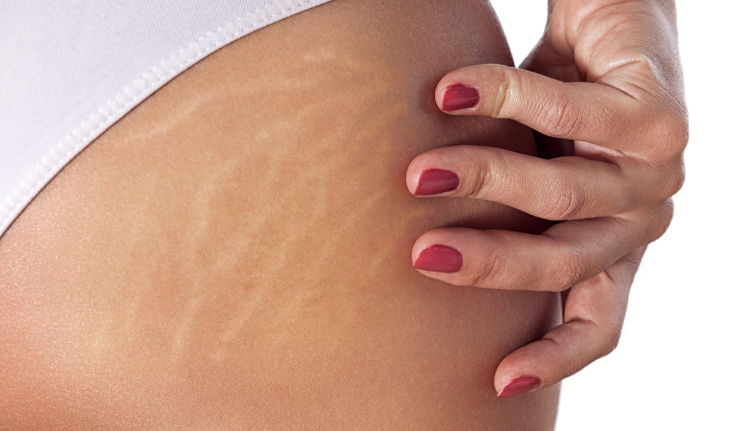
Women frequently experience stretch marks on the abdomen, hips and breasts, while men may notice them on the arms, lower back and shoulder areas.
How Is Stretch Mark Treatment Performed?
The goal of treatment is to improve the appearance of the affected area and support the skin structure. Stretch marks cannot be completely eliminated, but their visibility can be significantly reduced with appropriate methods.
Treatment planning considers:
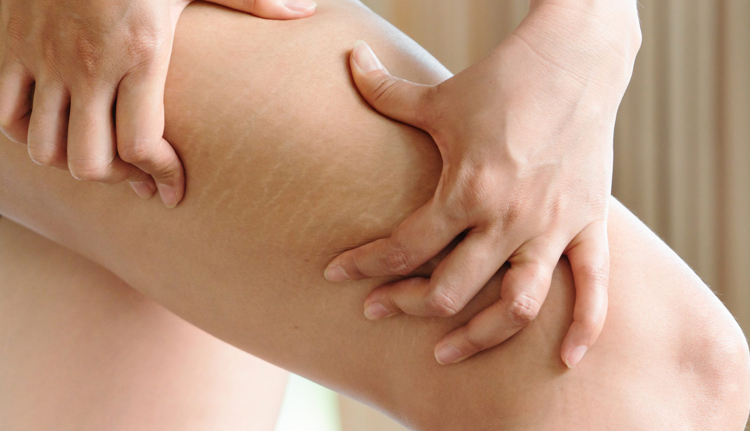
- Whether the marks are new (red/pink) or old (white/silver) Weight stability
- Exercise habits
- Skin type and elasticity
If you are in a period of rapid weight change or intense training, you should inform your practitioner. Treatment Options for Stretch Marks
- Mesotherapy
- Fractional Laser
- Microneedling Radiofrequency (RF)
These methods may be applied individually or in combination. The number of sessions and intervals vary depending on the skin structure and type of stretch mark.